What should a restaurant photo shoot capture?
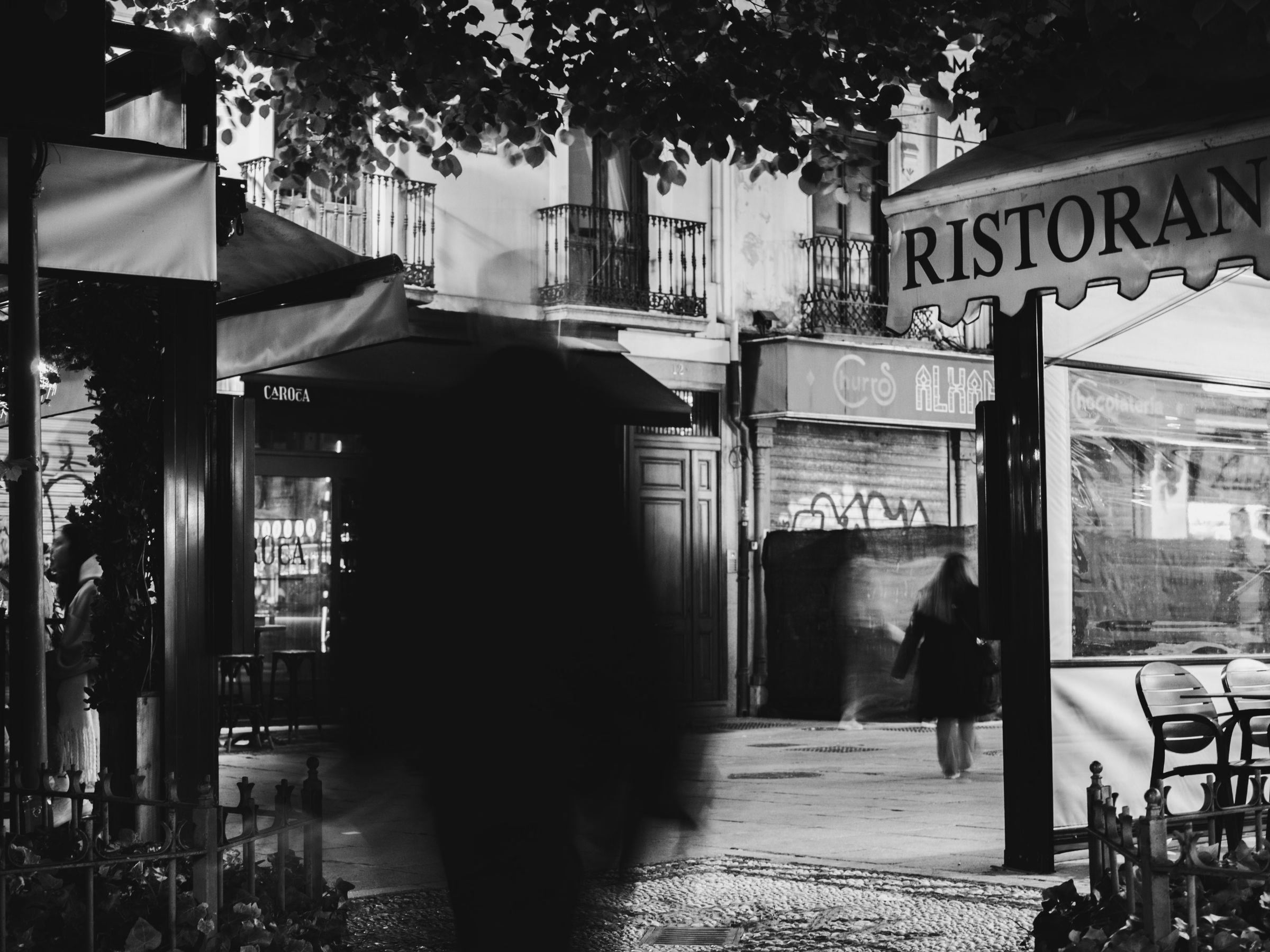
A restaurant photo shoot should capture the room as well as the food: the dishes you will advertise, the dining room in service, the people, the small details and the way in, each framed for the place it will run. A gallery of beautiful plates does one of those five jobs.
Picture a guest standing outside on a Friday evening, phone in hand, deciding between your door and the one next to it. They open your Business Profile. What they find is thirty close-ups of food. Not one picture shows the room, the bar or the entrance they are standing in front of. The plates are lovely, and the guest still doesn't know whether this is the right place.
What tends to happen is that a shoot gets planned around the menu and then used everywhere. The photographer does exactly what was asked. The brief was the problem.
What are pictures doing for a guest?
A guest looks at pictures to answer questions before they commit. Is this the right door? What will the room feel like at eight on a Friday? Is it somewhere we'd be comfortable? Does the food look like what will arrive at the table?
A close-up of a plate answers only the last one. The room in service answers the second and third. The entrance answers the first. When a gallery covers one question, the guest fills in the rest with guesses, or taps the next result.
Which pictures does a restaurant need?
Think of five jobs, and make sure each has a picture.
- The dishes you will advertise. A handful that carry the campaign, not the whole menu.
- The room in service. The dining room at the hour it earns its living, with guests in it.
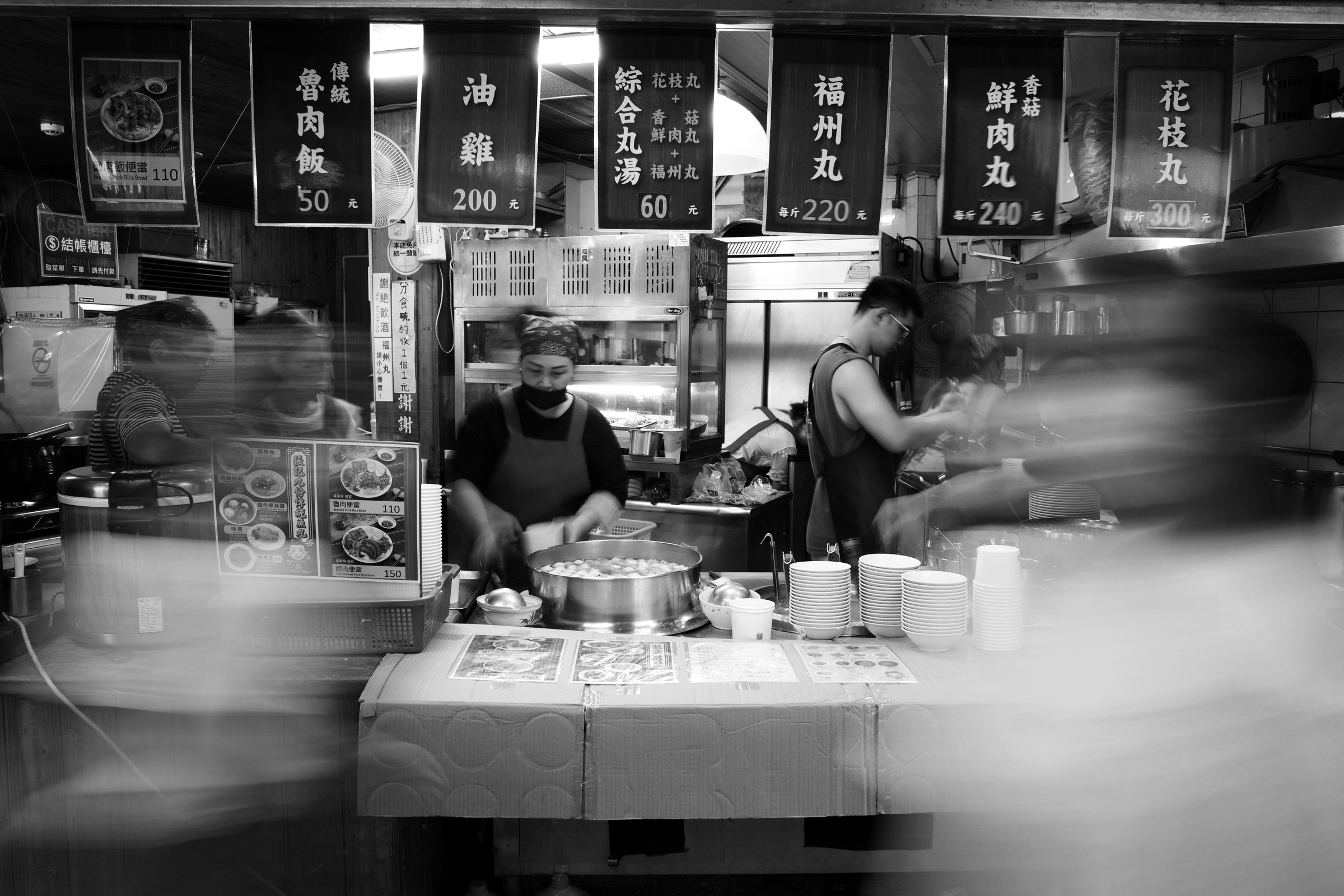
- The people. The kitchen, the bar, the host stand, with everyone in frame having agreed to it.
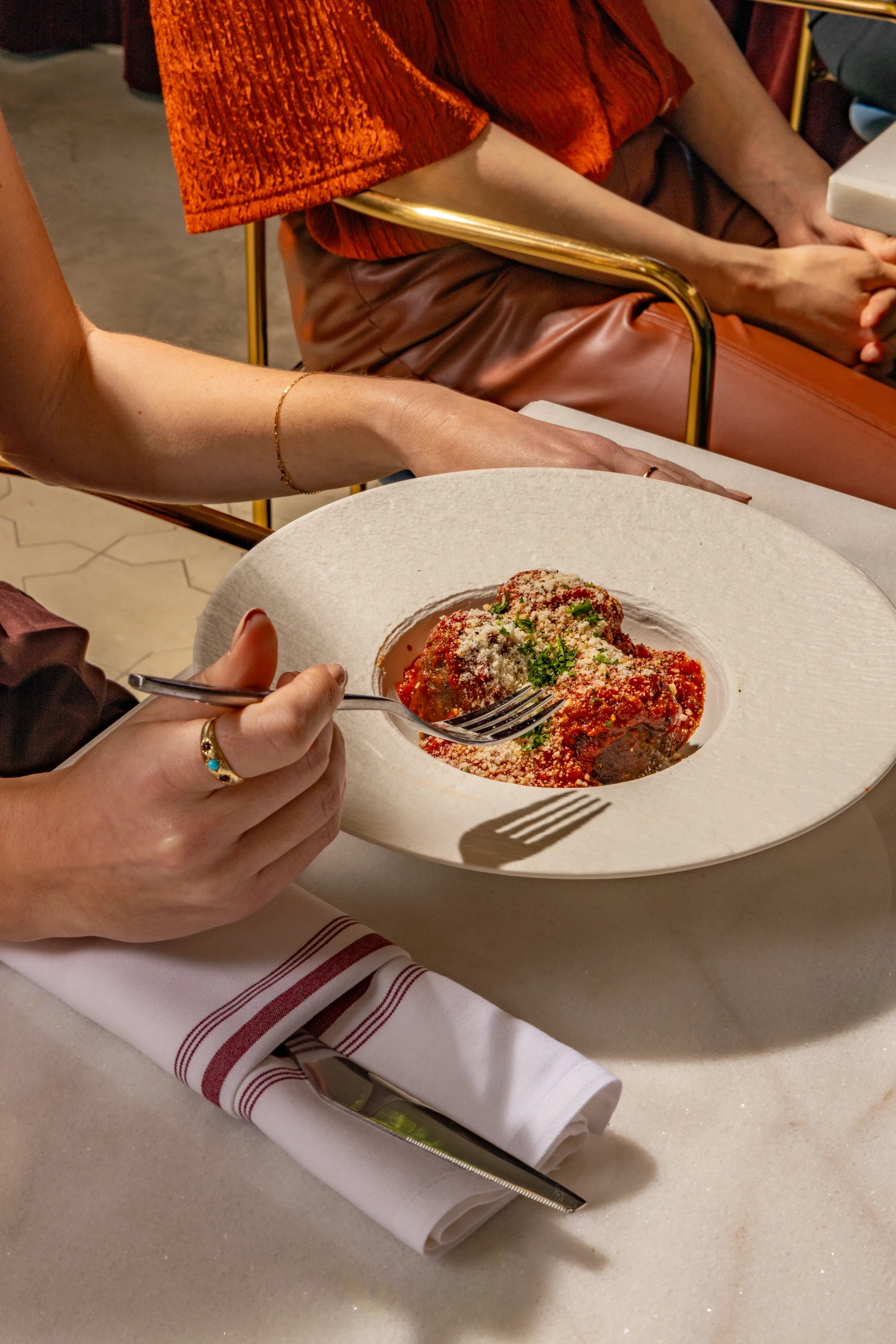
- The details a guest notices. The pour, the menu in a hand, the dessert arriving.
- The way in. The sign and the entrance, so a guest knows they have the right door.
The full shot list, with a made-up brief for a 60-seat room, is in our guide to a restaurant photo shoot brief and shot list.
Why does framing matter as much as the subject?
The same picture does different work in different places. Stories and reels want a vertical frame with the subject away from the edges. A website or an ad usually wants a wide frame with empty space on one side where a headline can sit. The Business Profile wants the room as a guest will actually see it, not only the most polished frames.
Cropping afterward usually costs the best part of the image, so it is cheaper to ask for the frames you need while the photographer is already in the room. Placement sizes change, so check the current requirements before shoot day.
How do you shoot a group without shooting every location twice?
Split the list. The dishes belong to the brand, so shoot them once and use them wherever they are served. The room, the people and the entrance belong to the location, and each location needs its own, even if the session is shorter.
The shortcut is to use one location's room photos on every page. The risk is that a guest arrives somewhere that looks nothing like the picture, and they notice at the door.
How do you know the shoot paid off?
Not by the reactions. A photograph can collect a great many likes and still not bring anyone to the table. We take that apart in how to tell which restaurant ad actually sells meals.
A better habit is to tag each image by its intended use when it arrives. A month or two later, check which ones were used and where, and put the strongest candidates against each other in a simple test, one change at a time. Judge them by what guests paid, then write what you learned into the brief for the next shoot.
Where restauWant comes in
The Studio shoots restaurants this way: food, rooms and people, framed for the channels they will run in. The restauWant app's advertising view reads results down to the individual creative, with estimates kept apart from the checks traced to the ad, so the next brief starts from what brought guests in.
Next step: Before you book the next shoot, list where each picture will run, then fill in the brief and share it with the photographer.