How to tell which restaurant ad actually sells meals
Test it, and judge the test on what guests paid, not on reactions. Likes show which ad earned attention. Only the register shows which one sold meals, and the two can point in opposite directions.
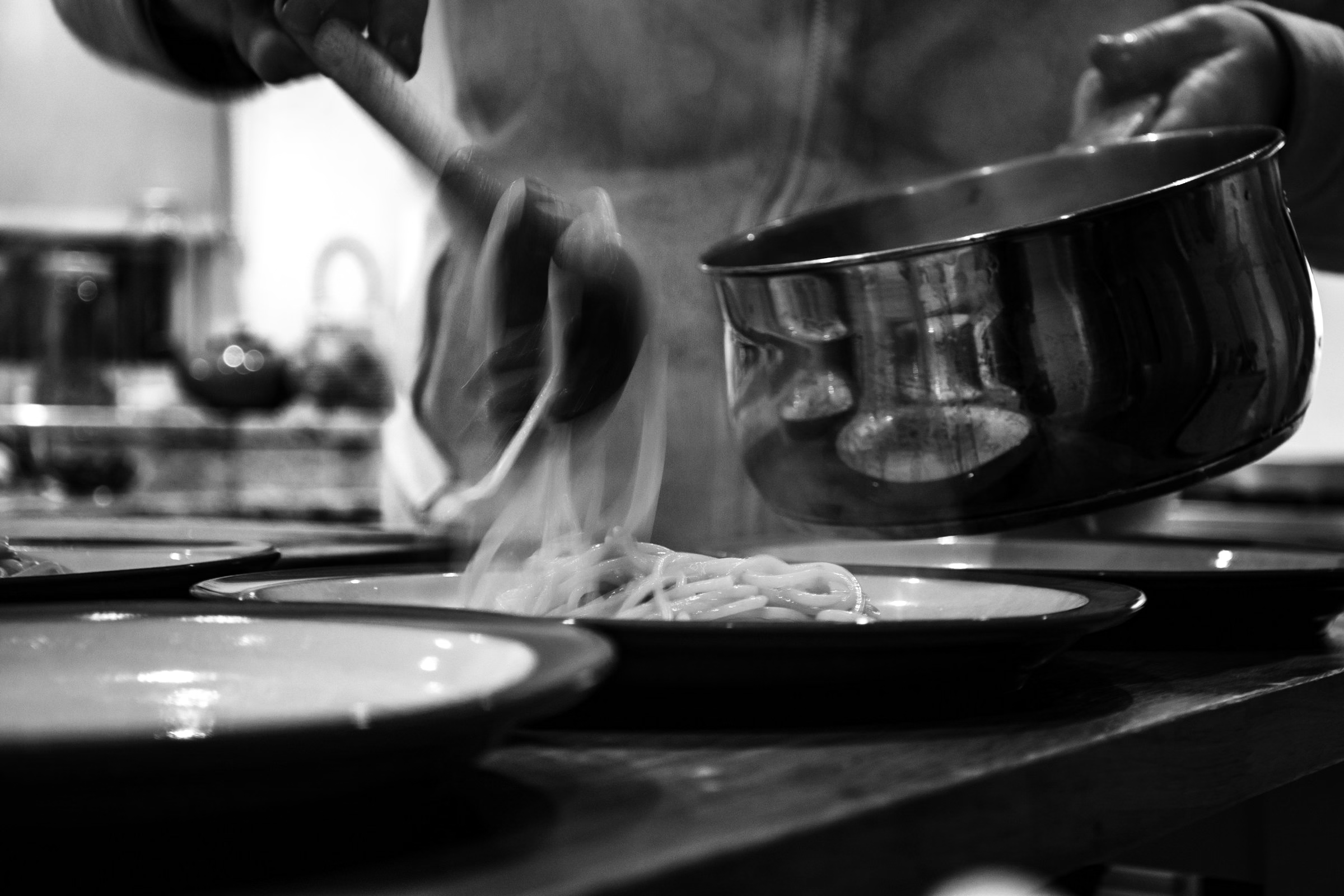
The photograph everyone on the team loves goes up on Tuesday: a close-up of the new short rib, steam still rising. By Friday it has the most reactions of anything you've posted this year. The quieter ad, a wide shot of the dining room on a busy evening, has fewer than a quarter as many. Nobody argues, and the short rib gets the next round of budget.
Whether that was the right call depends on a number the feed doesn't show.
Why don't likes tell you which ad sold meals?
Likes, views and saves are real signals, but they measure attention. Three different things are worth reading on any ad: engagement shows attention, a booking shows intent, and a paid check shows value. A restaurant can learn from all three. None of them should quietly stand in for another. Without a deliberate test, the work that looks successful in a feed gets rewarded over the work that helps the restaurant.
What does a fair creative test look like?
Start with the business question: introduce a new restaurant, fill an early seating, bring guests back. Then write one hypothesis you can check. Google's guidance on ad experiments says much the same: know why you are running the test, change one thing at a time, and choose one or two measures of success before you start (Test with confidence with the Experiments page).
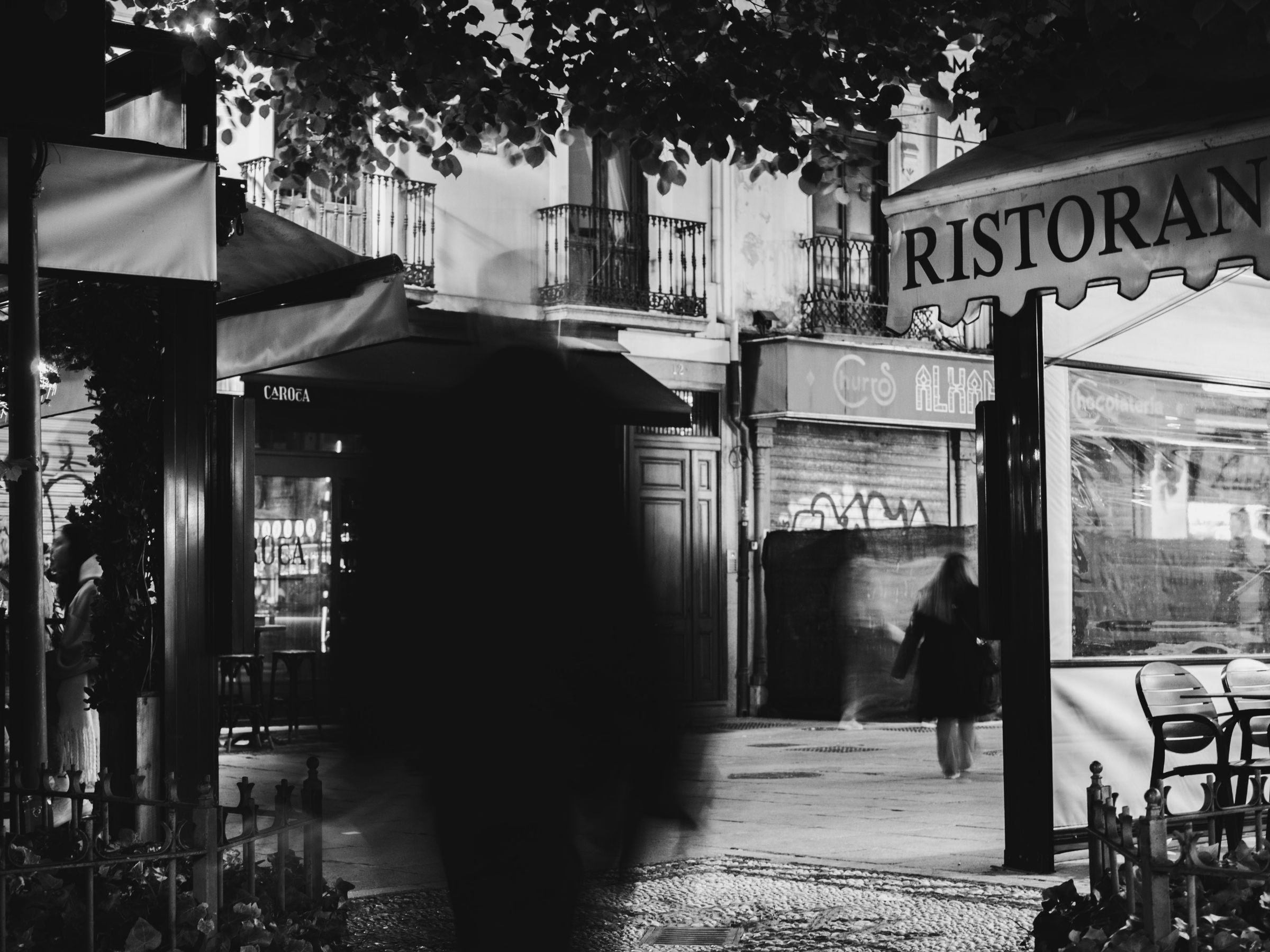
Here is a made-up test. Say a restaurant runs two ads for two weeks, $300 each, with the same offer, the same audience and the same dinner-hours window. Ad one is the short rib close-up. Ad two is the room on a busy evening. The hypothesis: showing the room full will produce more paid dinner visits than a close-up of the plate.
- Short rib: 2,300 reactions, 14 bookings, 8 paid checks traced to the ad, $640 in all, about 2.1x.
- The room: 520 reactions, 22 bookings, 17 paid checks traced to the ad, $1,445 in all, about 4.8x.
The feed would have picked the short rib. The register picked the room.
One test on one audience proves little by itself. Give it enough time and volume to separate the two, and note what else happened in the building: a holiday, a rainstorm, a menu change, another campaign. If there isn't enough activity to tell the difference, write that down honestly and plan a better test. Read the results from the register and not from each platform's own scorecard, for the reasons in why Google and Meta ROAS don't match your register.
What do you tell the photographer next time?
This is where a test earns its cost. The result doesn't say the food photography was bad. It says that for this offer and this audience, the room at its best did more than the plate. Take that into the next brief:
- Shoot the room at the hour it earns its living. Seven-thirty on a Friday with guests in the frame, not an empty dining room at 3 p.m.
- Shoot the dishes in the room's light, at the table. The plate and the place should belong to the same picture.
- Frame for where each picture will run. Vertical for stories and reels, wider for ads and the website, so nothing gets cropped after the fact.
- Put the result in the brief, in one line. "Last month the busy room outsold the close-up for dinner bookings. Show me the room doing what it does at its best."
Keep the short rib, too. A beautiful asset that earns attention but no measurable action still has a job on the menu and in the feed. Keep what you learned from it, but don't call it a sales winner.
Before your next shoot, run one small test with the photos you already have: two images, one offer, the same audience and budget, and a date to decide. Write down in advance what result would change the brief.
The restauWant app's advertising view reads results down to the individual creative, with estimates kept separate from the checks traced to the ad.
Next step: Use the restaurant creative test worksheet to brief the creative team and agree on measurement before the campaign goes live.